
House flipping can look simple from the outside: buy a distressed property, renovate it, improve its appeal, and resell it for a profit. In practice, the process is rarely that straightforward. Older or neglected homes can hide serious problems behind walls, beneath flooring, inside basements, or along exterior surfaces. Those problems can quickly change a renovation budget, extend the project timeline, and affect whether the property is ready for resale.
Before cosmetic upgrades begin, house flippers need to understand the condition of the structure and identify repairs that could influence safety, habitability, or long-term performance. Water intrusion, fire damage, mold, failing plumbing, compromised gutters, and aging exterior materials can all become expensive if they are addressed too late.
A successful renovation plan starts with careful inspection, realistic budgeting, and a clear order of operations. The goal is not simply to make a property look updated. It is to correct underlying issues before new finishes cover them up. The following sections explain several major repair categories house flippers should evaluate when restoring a distressed property.
Start With a Thorough Property Assessment
The first step in any distressed-property renovation should be an assessment of the home’s condition. Cosmetic damage is often easy to spot, but the expensive problems may not be visible during a quick walkthrough. Roof leaks, foundation movement, damaged wiring, hidden moisture, and deteriorated plumbing can all create additional work after demolition begins.
A professional inspection can help house flippers separate minor defects from larger repair priorities. Investors should pay close attention to the age of major systems, signs of previous water intrusion, unusual odors, stained ceilings, cracked walls, soft flooring, and areas where previous repairs appear incomplete. It is important to examine attics, crawl spaces, basements, and utility areas.
Older properties may require testing for hazardous building materials before demolition starts. If suspect materials are present, asbestos mitigation may be necessary before workers remove insulation, flooring, siding, or other components. Disturbing asbestos-containing materials without proper procedures can create health risks and complicate the project.
A detailed assessment also helps with budgeting. Instead of assigning most of the budget to visible upgrades such as countertops, flooring, or paint, flippers can reserve funds for necessary structural and mechanical work. Building a contingency into the budget is especially important with distressed homes because hidden damage is common.

Address Fire and Smoke Damage Before Cosmetic Work
Properties affected by fire often require more than replacing burned materials. Heat, smoke, soot, and water used during firefighting efforts can spread far beyond the area where the fire started.
House flippers considering a fire-damaged property should begin by determining which structural components remain usable. Framing, roofing materials, electrical systems, insulation, drywall, and mechanical equipment may all need evaluation. Depending on the severity of the incident, local fire damage services can assist with cleanup, debris removal, odor treatment, and restoration planning.
Smoke residue should be handled before new finishes are installed. Painting over contaminated surfaces without proper cleaning can allow odors or stains to return. HVAC systems may also require attention because smoke particles can circulate through ductwork and settle in areas that were not directly exposed to flames.
Water damage is another common issue after a fire. Fire suppression efforts can saturate walls, ceilings, flooring, and framing. If that moisture remains trapped, it can lead to additional deterioration or mold growth. Drying the property thoroughly before reconstruction is therefore an important part of the restoration process.
Investors should also expect fire-damaged properties to require additional permitting, inspections, or documentation. Understanding these obligations before renovation begins can prevent delays. Once damaged materials are removed and the structure is cleaned and dried, cosmetic rebuilding can move forward on a more stable foundation.
Identify Mold and Moisture Problems Early
Mold is especially common in distressed properties that have been vacant, poorly ventilated, or exposed to leaks. A small visible patch may indicate a larger moisture problem behind drywall, beneath flooring, or inside cabinetry. Simply cleaning the visible surface may not resolve the underlying issue.
House flippers should first determine where the moisture is coming from. Roof leaks, plumbing failures, foundation seepage, condensation, and poor drainage can all support mold growth. If the source remains active, mold can return even after contaminated materials are removed.
For extensive contamination, black mold removal companies may be needed to evaluate the affected areas and recommend appropriate containment and cleanup procedures. Professional mold remediations often involves isolating damaged spaces, removing unsalvageable materials, cleaning remaining surfaces, and using air filtration to control airborne particles.
The renovation sequence matters. New drywall, flooring, cabinets, or insulation should not be installed until moisture levels are under control and the affected areas are dry. Otherwise, expensive new materials can become damaged shortly after installation.
Mold issues can also help investors identify broader maintenance problems. For example, repeated mold growth along basement walls may point to poor exterior drainage or foundation seepage. Mold around windows may indicate failed seals or flashing. By treating mold as a symptom rather than only a surface problem, house flippers can address the source and create a more durable renovation.

Repair Water Damage and Improve Drainage
Water damage can affect nearly every part of a distressed property. Burst pipes, roof leaks, overflowing fixtures, foundation seepage, and storm events can damage framing, drywall, flooring, insulation, and electrical components. The longer moisture remains, the more extensive the restoration may become.
When active leaks are present, contacting a local water damage company can help with water extraction, drying, and moisture monitoring. Fast response is important when standing water reaches porous materials. Drywall, carpet, insulation, and some types of flooring can absorb moisture quickly, making them difficult to restore if drying is delayed.
More extensive water damage restorations may involve removing damaged materials, drying wall cavities, treating affected surfaces, and rebuilding parts of the interior. House flippers should avoid rushing into reconstruction before moisture levels are evaluated. Covering damp framing or subflooring can trap moisture and lead to future problems.
Drainage around the property should also be reviewed. Soil that slopes toward the foundation, clogged gutters, damaged downspouts, or poor grading can direct rainwater toward the home. Correcting these conditions can reduce the chance that repaired areas will experience another moisture problem.
Investors should also inspect windows, doors, flashing, roofing penetrations, and exterior joints for signs of leakage. Water often travels before it becomes visible indoors, so a stain on a ceiling or wall may not be located directly beneath the original entry point. Finding and correcting the source is just as important as repairing the visible damage.
Upgrade Plumbing Before Finishing Interior Spaces
Plumbing problems can disrupt a renovation if they are discovered after walls and floors have already been finished. Older distressed properties may contain corroded supply lines, leaking drainpipes, outdated fixtures, low water pressure, damaged shutoff valves, or poorly completed past repairs.
House flippers should inspect the plumbing system early in the project. Kitchens, bathrooms, laundry areas, basements, and utility rooms deserve particular attention. Water stains beneath sinks, warped cabinetry, discolored ceilings, and soft flooring may indicate hidden leaks.
If a leak, backup, or burst pipe occurs during renovation, an emergency plumbing service may be needed to stop further damage quickly. However, preventive evaluation is often more cost-effective than waiting for a failure. Replacing aging or questionable components while walls are already open can be easier than reopening finished surfaces later.
Renovators should also consider how planned layout changes affect plumbing. Moving a kitchen sink, adding a bathroom, relocating laundry equipment, or installing new fixtures may require changes to supply, drain, and vent lines. Those changes can influence both the budget and schedule.
Once plumbing work is complete, the system should be tested before drywall, flooring, or cabinetry is installed. Checking connections at this stage gives contractors an opportunity to correct leaks without damaging finished materials. Coordinating plumbing work with electrical, HVAC, and framing crews can also reduce rework and help the renovation progress in a logical order.
Restore the Exterior and Protect the Building Envelope
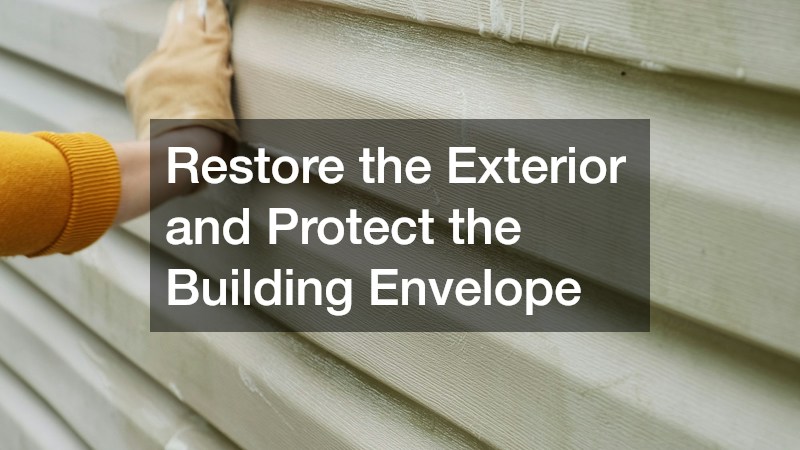
A distressed property’s exterior does more than influence curb appeal. Siding, roofing, trim, windows, doors, flashing, and sealants all help protect the interior from weather. Damage in these areas can allow water, pests, and outdoor air to enter the building.
Before focusing on landscaping or cosmetic upgrades, house flippers should examine the building envelope for gaps, cracks, rot, loose materials, and failed seals. Home exterior services may be needed to repair siding, replace damaged trim, address roofing concerns, or improve weather protection around openings.
Exterior repairs should generally occur before interior finishing when active leaks are present. There is little value in installing new drywall or flooring if rainwater can still enter through damaged roofing, siding, or flashing. Completing exterior weatherproofing first helps protect the work happening inside.
Windows and doors also deserve attention. Drafts, moisture staining, soft framing, or difficulty opening and closing them may indicate installation problems or deterioration. Repairing these areas can improve both appearance and function.
House flippers should also evaluate porches, decks, stairs, railings, and other exterior features for signs of decay or instability. These components may affect first impressions, but they can also involve safety concerns. A strong renovation plan balances curb appeal with protection, durability, and proper maintenance of the home’s exterior shell.
Control Basement Moisture Before Creating Finished Space
Basements can add valuable living or storage space, but they are also common sources of moisture problems in older homes. Before finishing a basement, house flippers should look for water stains, mineral deposits, musty odors, peeling paint, cracks, or damp areas along walls and floors.
A basement waterproofing contractor can help determine how water is entering and which corrective measures may be appropriate. Depending on the property, solutions can involve crack repair, drainage improvements, sump systems, exterior waterproofing, interior drainage channels, or changes to grading around the foundation.
Investors should resist the temptation to cover unfinished basement walls simply to improve appearance. Framing, insulation, and drywall can hide moisture problems and make future repairs more complicated. Any active seepage should be corrected before finished materials are installed.
Basement moisture can also be related to problems outside the home. Downspouts that discharge too close to the foundation, poor grading, or damaged gutters can increase the amount of water reaching basement walls. Correcting those issues may be part of a broader moisture-control strategy.
If the basement will become finished living space, house flippers should also consider ventilation, insulation, egress requirements, and local building codes. Addressing moisture first creates a stronger foundation for the rest of the work and reduces the risk that new finishes will be damaged later.
Finish With Gutters, Details, and Preventive Maintenance
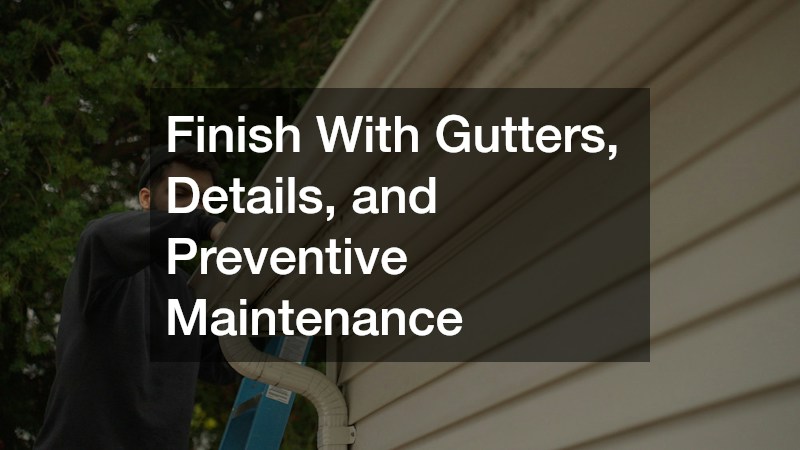
As the renovation moves toward completion, smaller exterior systems should not be overlooked. Gutters, downspouts, caulking, drainage extensions, and exterior sealants help direct water away from vulnerable parts of the home. Problems in these areas can undo more expensive repair work if they are ignored.
Gutter repairs are especially important on properties with signs of foundation moisture, rotted fascia, stained siding, or basement seepage. Sagging sections, loose fasteners, leaking seams, and clogged downspouts can cause rainwater to overflow and collect near the structure.
House flippers should confirm that downspouts discharge water a reasonable distance from the foundation and that surrounding soil encourages drainage away from the home. Roof runoff should not be allowed to pool near basement walls, walkways, or entry points.
Final walkthroughs should also include checking caulk around windows and doors, examining exterior penetrations, testing plumbing fixtures, looking for new stains, and confirming that repaired areas remain dry. These details may seem minor compared with major demolition or reconstruction, but they can influence how well the property performs after the renovation is complete.
Repairing a distressed home requires more than improving its appearance. The strongest house flips address hazards, water intrusion, damaged systems, and structural concerns before decorative updates take priority. By organizing repairs carefully, coordinating specialized contractors, and correcting the sources of damage rather than hiding symptoms, investors can create a finished property that is more functional, durable, and prepared for its next owner.