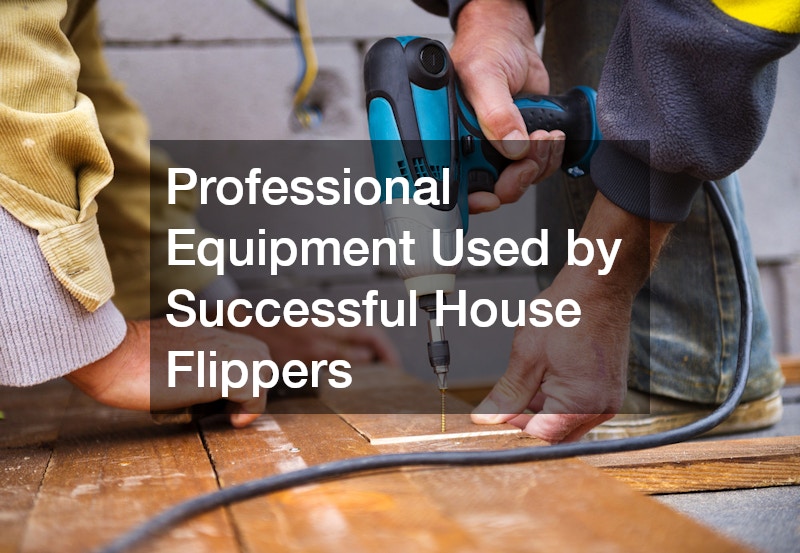
House flipping is a fast-paced investment strategy that rewards efficiency, planning, and execution. While design choices and market timing matter, the tools and equipment used during renovation often determine whether a project stays on schedule and within budget. Professional house flippers understand that using the right equipment is not about excess—it’s about precision, safety, and long-term value.
From site preparation to final cleanup, each phase of a renovation demands specific tools capable of handling structural challenges, tight timelines, and safety requirements. This guide explores the professional equipment that experienced flippers rely on to transform distressed properties into profitable assets while avoiding costly delays and mistakes.
Preparing the Property Site for Major Renovation Work

Before cosmetic upgrades begin, many properties require serious groundwork. Uneven terrain, old foundations, debris, or structural damage must be addressed before meaningful renovation can proceed. This is where heavy equipment services and companies such as storm shelter contractors become essential, particularly for older homes or properties with significant exterior damage. Skipping or rushing this phase often leads to costly setbacks later, such as drainage problems, cracked slabs, or unstable additions that require rework.
Large-scale machinery allows flippers to complete tasks in days rather than weeks, keeping projects on schedule and reducing holding costs. Professional equipment also reduces physical strain on workers and improves accuracy during demolition and site preparation, which is especially important when working near existing structures or utility lines. Precision during early-stage work helps prevent accidental damage that could trigger expensive repairs or inspections.
Common scenarios that require professional-grade equipment include:
- Removing concrete slabs, driveways, or damaged foundations
- Excavating land for additions or drainage improvements
- Clearing overgrown lots or debris-filled yards
- Leveling ground to support new structures or landscaping
In addition to speed and efficiency, using proper machinery ensures consistent results and better compliance with local safety regulations. Heavy equipment operators are trained to recognize underground hazards, manage load limits, and stabilize work areas, reducing the risk of accidents. When budgeting for this phase, successful flippers plan equipment use carefully by coordinating tasks, limiting rental durations, and hiring experienced operators. Proper site preparation sets the foundation—literally and figuratively—for every renovation step that follows, supporting long-term durability and project success.
Managing Plumbing Upgrades and Infrastructure Changes
Plumbing problems are among the most common—and expensive—issues encountered in flipped homes. Outdated pipes, poor water pressure, hidden leaks, and noncompliant systems can quickly derail a project if not addressed early. Working with plumbing companies that use professional-grade equipment helps flippers identify and resolve these issues efficiently, minimizing unexpected delays and budget overruns. Older properties in particular often contain galvanized pipes, aging valves, or improper connections that require expert evaluation.
Modern diagnostic tools allow plumbers to assess conditions without unnecessary demolition, preserving finished surfaces and reducing labor costs. Video inspection cameras, acoustic leak detection devices, and pressure-testing tools provide clear insights into system health, enabling targeted repairs rather than broad, invasive work. This approach not only saves time but also helps maintain the structural integrity of walls, floors, and foundations.
Professional plumbing equipment is commonly used for:
- Pipe inspections using specialized cameras
- Detecting hidden leaks behind walls or beneath slabs
- Replacing corroded or outdated piping systems
- Testing water pressure and drainage performance
Coordinating plumbing upgrades early in the renovation timeline is critical. Addressing infrastructure before walls are closed prevents costly rework and ensures compliance with current building codes. It also protects other upgrades—such as flooring, cabinetry, and drywall—from future water damage. Experienced flippers recognize that investing in proper plumbing work upfront reduces long-term liability and increases buyer confidence. Fully functional, code-compliant systems signal quality workmanship and reliability, making the property more attractive to buyers and inspectors alike.
Handling Heavy Lifting and Structural Placement
Some renovation tasks simply cannot be completed safely through manual labor alone. Structural beams, large prefabricated components, and heavy construction materials require mechanical lifting to prevent injury and ensure precise placement. This is where crane rental services play a vital role in professional house flipping projects, particularly when renovations involve structural changes or multi-level construction.
Cranes allow flippers to complete demanding tasks with a level of control and efficiency that manual methods cannot match. By using mechanical lifting, crews reduce the risk of workplace injuries, property damage, and misaligned installations that could compromise structural integrity.
Cranes allow flippers to:
- Position structural beams accurately during renovations
- Lift heavy materials to upper floors without damaging interiors
- Reduce labor hours and physical strain on crews
- Complete complex tasks in limited-access areas
Precision is especially important when working in tight residential spaces, such as urban lots or homes surrounded by neighboring structures. Professional operators rely on detailed site assessments, load calculations, and clear communication to ensure lifts are executed safely. Proper planning helps avoid common issues such as overloading, unstable placement, or accidental contact with existing structures.
To maximize value, successful flippers schedule crane use strategically by coordinating material delivery, crew readiness, and lift timing. This minimizes rental duration and prevents costly downtime. Even short-term crane usage can significantly improve workflow on structurally complex projects, helping flippers stay on schedule and protect their profit margins.
Streamlining Material Movement on Busy Job Sites

Efficient material handling is a hallmark of well-managed renovation projects. Moving drywall, lumber, tile, or appliances by hand across a job site wastes time and increases the risk of injuries and fatigue. Utilizing local forklift rental solutions helps flippers maintain momentum during intensive renovation phases, especially when multiple trades are working simultaneously.
Forklifts significantly reduce the physical demands placed on crews while improving speed and organization. Instead of repeatedly carrying materials across long distances, workers can focus on installation and finishing tasks that require skill and precision. This efficiency becomes even more important on larger properties or homes with limited access points, where manual transport would slow progress considerably.
Forklifts are particularly useful when:
- Receiving bulk material deliveries
- Transporting heavy items across uneven ground
- Moving supplies between storage areas and work zones
- Supporting exterior work on large or multi-unit properties
Professional-grade forklifts are designed for stability and maneuverability, even in compact residential settings. Selecting the appropriate size and lift capacity ensures safe operation without damaging landscaping, driveways, or nearby structures. Operators should be trained to navigate tight spaces, slopes, and varying ground conditions safely.
Successful flippers plan material flow carefully by coordinating delivery schedules with active work periods, allowing forklifts to remain in constant use. Clear staging areas, marked pathways, and communication among crew members further enhance safety and efficiency. Streamlined material handling keeps crews productive, reduces downtime, and helps projects stay on schedule—key factors in protecting profit margins and meeting buyer expectations.
Installing and Replacing Exterior Property Boundaries
Exterior improvements often play a major role in boosting curb appeal and resale value. Replacing old or damaged boundaries requires more than basic tools, especially when dealing with uneven terrain or older materials. Professional fence services rely on specialized equipment to ensure durability, alignment, and aesthetic consistency.
Equipment commonly used during fence installation includes:
- Post hole augers for accurate depth and spacing
- Concrete mixers for secure anchoring
- Cutting tools for precise material sizing
- Leveling instruments to maintain straight lines
Timing is critical when installing exterior features. Experienced flippers schedule this work after major site preparation but before final landscaping. This prevents damage to finished surfaces and allows adjustments if grading changes are needed.
Well-installed exterior boundaries enhance security, define property lines, and contribute to a polished appearance. Using professional equipment ensures the final result is both functional and visually appealing—qualities buyers notice immediately.
Incorporating Safety Features and Storm Protection
Integrating safety systems without disrupting living spaces requires careful coordination and skilled execution. Installers must work around existing walls, flooring, and utilities while minimizing noise, dust, and structural disturbance. Professional-grade equipment allows crews to make precise cuts, anchor reinforcements accurately, and complete installations without unnecessary demolition. This precision helps preserve finished areas and reduces the need for cosmetic repairs after the work is complete.
Proper planning is essential to avoid compromising structural integrity, especially when modifying load-bearing components or foundations. Equipment used during installation must be powerful enough to work with dense concrete and steel while remaining accurate to design specifications. Detailed measurements, controlled excavation, and reinforced anchoring systems ensure that safety features are fully integrated into the home’s structure.
From a buyer’s perspective, safety upgrades offer peace of mind and long-term security, particularly in regions where severe weather is a concern. For flippers, these improvements represent a strategic investment that differentiates a property in competitive markets. When installed correctly using professional equipment, protective features add both practical functionality and increased perceived value, making the home more attractive to safety-conscious buyers.
Supporting Climate Control Repairs and System Upgrades
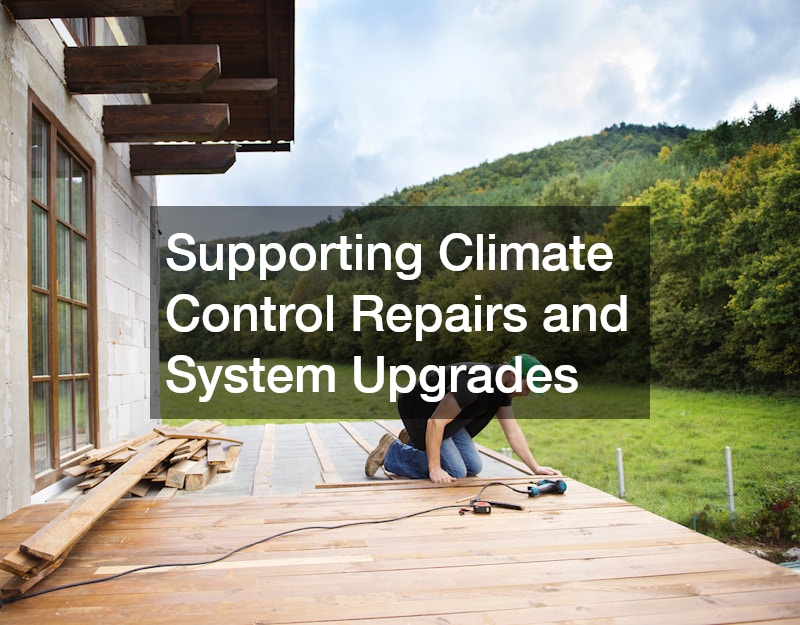
Comfort and energy efficiency are top priorities for modern buyers. Heating systems, in particular, must operate reliably and efficiently. During renovations, flippers often address outdated or malfunctioning systems with the help of a Heating repair service that uses specialized diagnostic and repair equipment.
Professional tools allow technicians to:
- Identify inefficiencies or failing components
- Test airflow and system performance
- Repair or replace key parts accurately
- Ensure compliance with safety and efficiency standards
Coordinating climate control upgrades with insulation, electrical, and structural work improves overall system performance. It also reduces the likelihood of future issues that could lead to buyer complaints or warranty claims.
Flippers who prioritize heating performance not only improve comfort but also enhance a property’s marketability. Buyers increasingly value homes that are move-in ready with dependable systems already in place.
Completing Roofing Projects Safely and Efficiently
Roofing is one of the most critical components of any renovation. A damaged or poorly installed roof can negate the value of all other upgrades. Professional roofers rely on specialized equipment to complete projects safely, efficiently, and to code.
Key tools used during roofing projects include:
- Safety harnesses and fall protection systems
- Material hoists for lifting shingles and supplies
- Precision cutting tools for clean edges
- Inspection equipment to identify hidden damage
Weather conditions play a significant role in scheduling roofing work. Professional equipment allows crews to work efficiently within limited weather windows, reducing delays and exposure risks.
For flippers, a properly completed roof provides long-term protection and buyer assurance. It also minimizes the risk of post-sale repairs, making it one of the most important investments in any renovation.
Coordinating Large-Scale Lifting and Placement Tasks
Complex renovation projects often require multiple heavy lifting phases. Working with experienced crane companies ensures that these tasks are completed safely and with minimal disruption. Whether placing structural elements or handling large exterior components, professional cranes offer unmatched precision.
Effective crane coordination involves:
- Assessing access points and lift paths
- Scheduling lifts during low-traffic periods
- Communicating clearly with operators and crews
- Verifying load capacities and safety measures
In residential environments, careful planning is essential to protect neighboring properties and comply with local regulations. Professional operators use detailed site assessments to prevent damage and ensure smooth execution.
By leveraging expert lifting solutions, flippers can tackle ambitious renovations with confidence, knowing that heavy components will be positioned accurately and safely.
Managing Waste Removal and Job Site Cleanliness

Renovation projects generate substantial debris, from demolished materials to packaging waste. Maintaining a clean, organized job site is essential for safety, efficiency, and compliance. A dumpster rental service provides the infrastructure needed to manage waste effectively throughout the renovation process.
Strategic waste management includes:
- Estimating debris volume accurately
- Placing containers to avoid blocking access
- Scheduling timely pickups to prevent overflow
- Separating recyclable materials when possible
A clean site reduces hazards, improves workflow, and leaves a positive impression on inspectors and potential buyers. It also prevents delays caused by clutter or safety violations.
Successful flippers treat waste management as an integral part of project planning, not an afterthought. Proper equipment and scheduling keep renovations running smoothly from start to finish.
Professional house flipping is as much about strategy as it is about execution. The right equipment enables flippers to work faster, safer, and more efficiently while maintaining high standards of quality. From groundwork to final cleanup, every phase benefits from thoughtful planning and professional-grade tools.
By investing in proper equipment and expert support, flippers reduce risk, control costs, and deliver properties that stand out in competitive markets. Ultimately, success in house flipping comes from combining vision with the right resources to bring that vision to life.