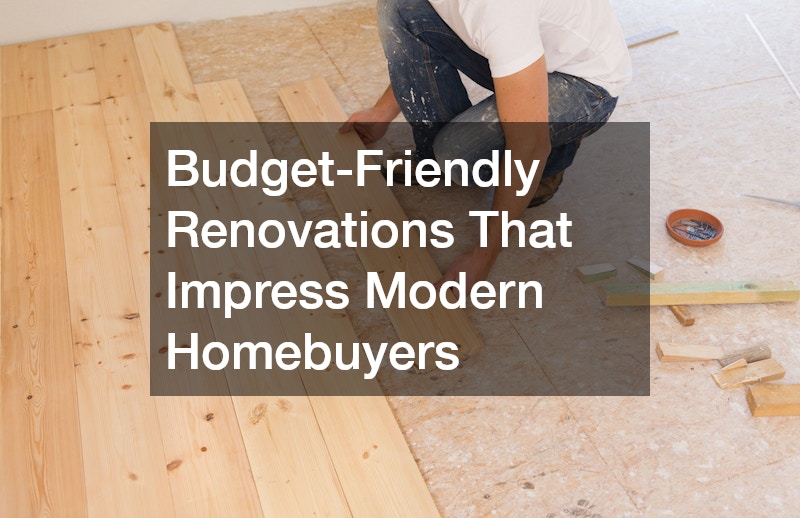
Historic properties possess an inherent charm and craftsmanship that modern tract houses simply cannot replicate. From intricate hand-carved millwork and heart-pine flooring to stained-glass transoms and ornamental plaster, these homes tell stories spanning generations. For real estate investors, rehabilitating these aging structures presents a uniquely lucrative niche. While typical flips focus primarily on cosmetic speed, a heritage flip demands a balance between historical preservation and contemporary lifestyle expectations.
Achieving a superior return on investment in the historic sector is rarely about cutting corners. In fact, aggressive cost-cutting often destroys the very architectural details that justify premium market valuations. Savvy investors know that historic homebuyers are not just purchasing square footage; they are purchasing authenticity, prestige, and neighborhood pedigree. When executed with precision, revitalizing an antique residence yields impressive margins because mature neighborhoods frequently command top-tier pricing per square foot.
However, the path to a high-yield turnaround requires a structured strategy. Every historical flip presents unique obstacles, including strict preservation ordinances, antiquated utility infrastructures, and structural settle issues. Navigating this landscape requires deep market literacy, a disciplined budget, and a network of specialized trades. By methodically addressing structural stabilization, layout modernizations, and exterior curb appeal, you can transform a neglected landmark into a turnkey estate that delivers optimal financial returns.
Evaluating Market Viability and Preservation Rules
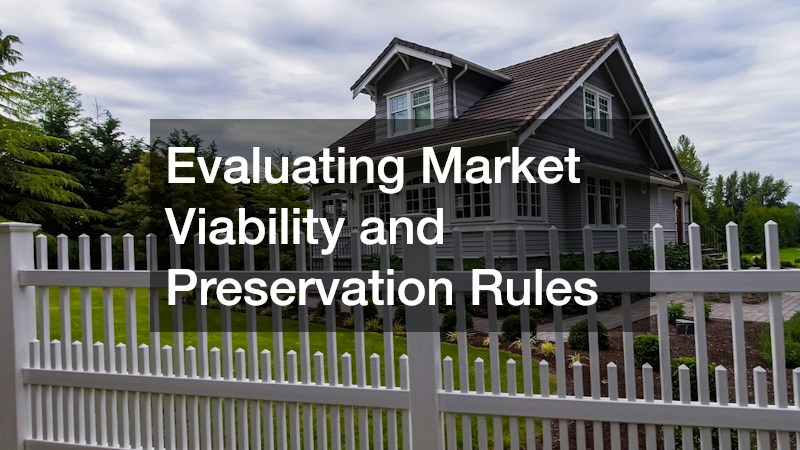
Historic real estate markets operate under distinct dynamics compared to standard suburban developments. Before making an acquisition, you must understand the financial metrics of the specific historic district, buyer demographics, and regulatory constraints that will govern your construction schedule.
Researching Local Preservation Guidelines
Historic preservation commissions exist to protect neighborhood character, but they also possess the power to halt unpermitted construction. Before submitting an offer, determine whether the building is located within a local historic district, a National Register Historic District, or both.
- Review municipal historic guidelines regarding window replacement, paint palettes, siding repairs, and exterior modifications.
- Attend public hearings of the local architectural review board to observe how strictly guidelines are enforced on current rehabilitation projects.
- Consult with municipal planning staff to confirm whether interior modifications trigger exterior oversight or zoning variances.
- Establish clear timelines for municipal design approvals, factoring in potential board review delays of two to three months into your holding costs.
Calculating Accurate Acquisition and Margin Targets
Historic flips carry higher variance margins than standard residential investments. A safe margin requires conservative purchase pricing that accounts for contingency buffers well above industry averages.
- Aim for a purchase price that leaves at least a thirty percent gross equity spread after total projected renovation and carrying costs.
- Maintain a contingency reserve of fifteen to twenty percent within your construction budget to absorb unexpected discoveries behind plaster walls.
- Analyze recent comparable sales specifically within the historic district, rather than relying on broader municipal averages that include new builds.
- Verify whether the property qualifies for federal, state, or municipal historic rehabilitation tax credits, which can directly offset capital expenditures.
Structural Integrity and Foundation Restoration
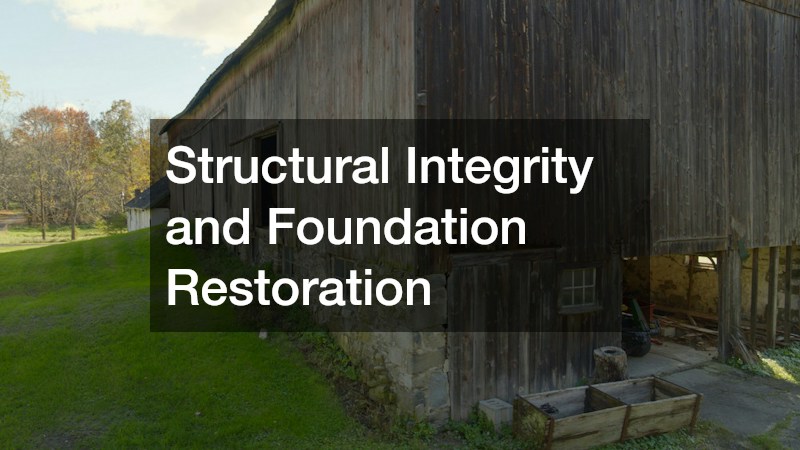
Before investing capital into high-end finishes, you must ensure the building is structurally sound. Buyers of historic properties inspect foundations and load-bearing framing with extreme scrutiny, making hidden structural integrity an indispensable selling point.
Addressing Settling and Load Distribution
Century-old foundations often suffer from mortar degradation, shifting soil, water intrusion, or inadequate footing depths. Stabilizing the substructure is the paramount first step before addressing any decorative finishes upstairs. Utilizing concrete foundation pumping allows crews to fill voids under sunken slabs, stabilize masonry piers, and secure load-bearing footings without invasive excavation. Ensuring the home has a solid base prevents floor slopes from worsening and protects expensive future finishes from plaster cracks.
Upgrading Obsolete Mechanical Infrastructure
Antique framing often conceals hazardous mechanical systems that will prevent retail buyers from securing conventional financing or insurance. Removing knob-and-tube wiring, lead supply plumbing, and cast-iron waste stacks is non-negotiable for a profitable resale.
- Replace antiquated electrical service panels with modern two-hundred-amp services equipped to support high-draw appliances and car chargers.
- Repipe obsolete galvanized and lead water lines with flexible PEX or durable copper systems to maximize water flow and eliminate leak risks.
- Reroute ductwork discreetly through closets or under floorboards to install high-efficiency heat pumps without lowering historic ceiling heights.
- Modernize sewer mains out to the city connection to avoid catastrophic backups during open houses or buyer inspections.
Maximizing Yield in High-Traffic Interior Spaces

Kitchens and bathrooms are the ultimate value drivers in any residential flip, yet in a historic home, they require nuanced execution. Modern buyers demand open, functional luxury, but they expect it framed within an aesthetic that honors the home’s historic soul.
Upgrading Culinary Spaces for Modern Entertaining
Historic kitchens were historically designed as utilitarian, closed-off workrooms tucked away at the rear of the house. Modern luxury buyers, conversely, view the kitchen as the social nucleus of the home. Retaining an experienced kitchen contractor ensures the new layout introduces contemporary prep islands, hidden pantry spaces, and premium appliances while integrating cabinetry profiles that match the home’s heritage. A skilled specialist understands how to blend paneled cabinet fronts, natural soapstone or quartzite surfaces, and vintage-style brass hardware into an authentic, high-end environment.
Crafting Spa-Level Bathrooms with Heritage Accents
Historic properties typically suffer from a severe shortage of bathrooms, frequently offering only a single cramped facility on an upper level. Creating a dedicated primary suite with a private bath is often the single most profitable floor plan alteration you can make. Comprehensive bath remodeling allows you to carve out double vanities, private water closets, and walk-in showers without sacrificing classical appeal. Incorporating marble hex tile, wainscoting, and period-appropriate plumbing fixtures bridges the gap between classic charm and executive indulgence.
- Preserve or restore original clawfoot tubs as statement showpieces by having them professionally reglazed.
- Install radiant heating beneath tile floors to provide an unexpected touch of luxury in colder historic climates.
- Ensure adequate ventilation is vented directly through the roof rather than into historic attic framing, preventing moisture degradation.
- Carve out custom storage niches within wall cavities to maximize usable footprint without expanding beyond the original room perimeter.
Expanding Usable Square Footage

Historic homes frequently possess awkward room divisions or underutilized utility zones. Monetizing wasted volume by expanding conditioned living area directly drives up the ultimate resale price per square foot.
Transforming Subterranean Spaces into Functional Living Areas
Many early-twentieth-century homes feature expansive basements originally designed for coal storage and mechanical systems. Engaging a licensed basement contractor allows you to convert these dark, damp areas into vibrant home theaters, wine cellars, or guest suites. An experienced professional will prioritize comprehensive interior waterproofing, drainage swales, and ceiling insulation to guarantee the converted space feels as dry, bright, and comfortable as the upper levels.
Planning Sympathetic Footprint Expansions
When existing interior footprints cannot accommodate modern family needs, physical extensions offer a direct route to expanded valuations. Structuring tasteful home additions requires architectural finesse so the new construction appears as a natural evolution of the historic facade rather than an awkward appendage. By hiring dedicated office remodeling contractors to carve out designated executive workspaces within these new wings, you tap into the booming market of remote professionals seeking quiet productivity within distinguished historic settings.
- Match the pitch, materials, and overhangs of the original roofline when designing structural extensions.
- Replicate exterior details, including custom exterior casing, exposed rafter tails, and traditional clapboard reveals.
- Maintain zoning setbacks and lot-coverage maximums strictly, as historic zoning districts rarely approve aggressive lot overdevelopment.
- Use reclaimed lumber or vintage brick veneers on the addition to visually tie new wings to the original historical masonry.
Exterior Envelope and Preservation Craftsmanship
The exterior envelope serves as both the home’s defense against the elements and its primary emotional hook for potential buyers. Historic home buyers make split-second valuation judgments based on exterior condition, making envelope restoration a prime investment category.
Restoring Architectural Millwork and Siding
Tearing down original siding or hand-carved eaves in favor of cheap vinyl strips severely reduces historic property values. Investing in meticulous woodwork restoration protects the structural envelope while creating an undeniable vintage presence.
- Scrape, prime, and repaint original wood siding using professional-grade, breathable exterior primers and oil-based finish coats.
- Rebuild rotted porch balustrades and column bases using rot-resistant woods like cedar, white oak, or high-density composite replacements.
- Restore original double-hung windows by restringing sash weights and installing weatherstripping instead of inserting bulky vinyl replacement units.
- Repoint brick or stone facades exclusively with soft lime-based mortar to prevent cracking historical masonry units.
Securing the Overhead Shell
A compromised roof not only threatens every interior finish you install, but it will also immediately derail buyer mortgage underwriting. Coordinating with a reputable local roofing service allows you to diagnose chimney flashings, restore ornamental cornices, and replace worn shingles with materials that satisfy district preservation boards. Completing this exterior milestone gives buyers absolute confidence that the property is fully protected from seasonal moisture infiltration.
Curating Outdoor Living and Exterior Charm
Contemporary real estate trends demonstrate that private exterior sanctuaries deliver extraordinary lifestyle value. Transforming an unkempt yard into an entertaining retreat dramatically increases buyer interest and yields premium closing offers.
Designing Resort-Style Yard Amenities
High-end buyers drawn to historic districts expect their properties to offer resort-style exterior amenities for seasonal entertaining. Investing in thoughtful home improvement transforms an overgrown, neglected historic backyard into a private leisure compound that rivals modern luxury developments. For estates featuring vintage water features, completing a comprehensive pool resurfacing revives deteriorated plaster, fixes perimeter coping stones, and creates a shimmering turquoise centerpiece that elevates the entire backyard setting.
Enhancing Outdoor Comfort and Shading
Outdoor living areas must remain functional across changing weather patterns to deliver maximum perceived value during buyer walk-throughs. Historic porches, covered pergolas, and stone terraces benefit immensely from climate-conscious additions that expand usable hours. Installing motorized patio shades allows homeowners to reduce intense afternoon solar heat, deflect wind, and screen out insects without permanently altering the historic structural framing of the exterior verandas.
- Integrate custom outdoor lighting fixtures that illuminate specimen trees, flagstone pathways, and architectural facade details.
- Rebuild or restore traditional perimeter boundaries using wrought iron fencing or classic painted wood picket enclosures.
- Grade surrounding landscape beds systematically away from the foundation perimeter to eliminate pooling surface runoff.
- Incorporate period-appropriate native perennials, boxwood hedges, and brick pathways to complement the property’s historical era.
Staging, Storytelling, and Exit Strategy
The marketing phase of a historical flip requires an entirely different playbook than an entry-level starter home. You are selling an emotional connection to the past, and your promotional strategy must reflect that distinction.
Documenting the Historic Narrative
Modern luxury buyers value the provenance of their homes. Providing tangible evidence of the restoration process and historic legacy helps build deep emotional attachments that translate directly into competitive bidding environments.
- Commission a professional local architectural historian or archivist to assemble a historical dossier detailing the home’s original owners and evolution.
- Frame historic blueprints, original land deeds, or archival black-and-white photographs to hang in entry galleries or transitional hallways.
- Create a detailed rehabilitation binder featuring before-and-after construction imagery that highlights structural upgrades and preservation techniques.
- Highlight specific preserved features, such as original heart-pine flooring or restored transoms, in specialized marketing materials and property brochures.
Staging with Transitional Elegance
Staging a historic home requires an artful balance between vintage reverence and modern luxury. Cluttering rooms with heavy Victorian antiques can make spaces feel dark, cramped, and dated, while stark ultra-minimalist furnishings often clash with antique architectural trim.
- Emphasize transitional staging that combines contemporary sofas, modern light fixtures, and abstract artwork with the home’s historic millwork.
- Keep window treatments light and airy to maximize natural daylight streaming through historic divided-light glass panes.
- Define expansive spaces using layered, high-texture area rugs that showcase exposed hardwood perimeters while dampening room echoes.
- Place fresh floral arrangements and subtle organic elements throughout the property to instill a fresh, welcoming sensory atmosphere.
Delivering Enduring Value and Profit
Flipping a historic home for maximum profit is an exercise in strategic balance, patient execution, and exceptional craftsmanship. The process requires an investor to see past decades of neglect, hazardous mechanical systems, and obsolete floor plans, recognizing the irreplaceable character beneath. By prioritizing foundational stabilization, upgrading major functional zones, expanding livable floor areas, and revitalizing the exterior grounds, you create an extraordinary residence that stands head and shoulders above modern mass-produced housing.
Ultimately, your success hinges on executing improvements that respect the past while fully catering to the future. Discerning buyers are continuously searching for unique properties that provide rich architectural heritage alongside the convenience, energy efficiency, and luxury of newly constructed homes. When you bridge that divide effectively, you not only preserve an irreplaceable piece of community history, but you also unlock exceptional returns on your investment capital.