
In the fast-evolving landscape of residential real estate, successful house flipping has transformed from a DIY hobby into a precise, systematic business enterprise. Modern home buyers are more discerning than ever before. They want turn-key living spaces, custom-level craftsmanship, modern energy efficiency, and total peace of mind regarding structural and mechanical integrity. Cosmetic touch-ups like a fresh coat of paint and cheap laminate flooring are no longer enough to yield top-dollar returns in competitive housing markets.
To achieve maximum return on investment while mitigating risk, modern real estate investors must cultivate a reliable roster of specialized, professional service providers. Managing a successful flip requires knowing precisely when to delegate work to expert tradespeople rather than cutting corners with unverified handymen. Every day a property sits unfinished eats directly into your profit margin through holding costs, insurance premiums, loan interest, and taxes. By building strong relationships with key service experts, you streamline your project timelines, protect your capital, pass municipal inspections effortlessly, and ultimately deliver a high-quality product that commands top market value.
This comprehensive guide breaks down the essential trade services every serious real estate investor must understand, categorized across five critical phases of the renovation lifecycle.
Phase 1: Site Acquisition and Initial Site Preparation

The foundation of a profitable flip begins long before the first wall is knocked down or the first interior fixture is selected. When acquiring distressed properties, foreclosures, or rural parcels, the initial exterior prep work dictates whether the project stays on schedule or immediately runs into costly municipal delays. Proper site assessment and heavy preparation allow you to catch environmental liabilities, structural hazards, and utility challenges before they drain your budget.
Mastering Heavy Earthwork and Rural Lot Conversions
Many high-yield flipping opportunities involve properties situated on expansive, overgrown, or underutilized lots. In suburban edge markets and semi-rural developments, overgrown trees, decaying outbuildings, severe brush infestation, and improper site grading can conceal massive structural liabilities. Engaging a licensed commercial land clearing service during the early phase of your project is essential for opening up the property, assessing boundary lines, and preparing the ground for additions, driveways, or heavy construction machinery access.
- Clearing dense vegetation, invasive roots, and fallen timber allows inspectors and appraisers to accurately evaluate ground stability and foundational drainage.
- Professional site grading prevents standing water accumulation near the foundation, mitigating soil erosion and water intrusion risks before construction starts.
- Removing dangerous tree limbs and dead trees protects your construction crew and prevents storm damage to new roofing and exterior cladding during the flip.
- Establishing clear site perimeter access ensures heavy material delivery trucks, concrete mixers, and dumpster drop-offs can maneuver safely without getting stuck or damaging neighbor property.
Beyond basic tree removal, proper ground clearing establishes a clean slate for high-value exterior upgrades. Buyers love usable, expansive yard space, outdoor entertainment zones, and clean vistas. Clearing raw land efficiently ensures that your project stays compliant with local environmental protection regulations, fire safety brush clearances, and municipal zoning standards right out of the gate.
Navigating Off-Grid Utilities and Water Infrastructure
When flipping suburban, semi-rural, or agricultural residential properties, municipal water supply lines are not always available. Distressed properties that have sat vacant for months or years often suffer from deteriorated or completely non-functional private water infrastructure. Bringing in dedicated water well services early in your due diligence or construction period ensures that your property secures an abundant, clean, and reliable water supply, which is an absolute requirement for passing residential mortgage inspections.
- Comprehensive well inspection includes testing flow rates in gallons per minute, pump motor health, pressure tank integrity, and electrical supply safety.
- Complete water quality panel testing screens for heavy metals, bacteria, nitrates, sulfur, and hard mineral deposits that damage plumbing systems.
- Deepening existing wells or hydro-fracking low-yield wells can dramatically increase water volume, turning an unmarketable home into a prime property.
- Installing modern water filtration, softening, and UV purification systems elevates property value and provides strong buyer assurance during closing.
Addressing water supply issues upfront prevents nightmare scenarios where a prospective buyer’s financing falls through days before closing due to failed water quality tests. Modern homebuyers expect crystal-clear, high-pressure water at every faucet. By transforming a neglected, failing water system into a high-tech, modern private utility setup, you turn a potential liability into a compelling sales feature.
Phase 2: Structural Alterations and Shell Upgrades
Once the exterior site is cleared and utility baselines are secured, the project transitions into structural framing and building envelope enhancements. Today’s buyers overwhelmingly favor open-concept floor plans, soaring ceiling heights, energy-efficient building envelopes, and seamless flows between living spaces. Making major structural modifications requires technical precision, adherence to architectural engineering specs, and rigorous adherence to local building codes.
Reconfiguring Floor Plans for Open-Concept Living
Older homes often feature compartmentalized, claustrophobic layouts with tiny kitchens, narrow hallways, and unnecessary interior partitions. Removing non-load-bearing walls is simple, but creating expansive open-concept living rooms usually involves modifying structural load paths. Hiring a professional framing service guarantees that load-bearing walls are safely removed, temporary support shoring is correctly erected, and engineered LVL beams or steel headers are properly installed.
Cutting structural framing corners is one of the fastest ways to destroy profit on a house flip. A poorly executed structural change can lead to sagging floors, jammed doors, and failed municipal framing inspections that bring all subcontractors to a grinding halt. Investing in master framers ensures your structural modifications are safe, code-compliant, and visually striking.
Maximizing Energy Efficiency and Envelope Performance
With utility costs continuously rising, modern buyers are increasingly focused on thermal efficiency and monthly utility expenses. Stripping a distressed property down to the studs gives you the perfect opportunity to upgrade the building envelope. Partnering with a certified insulation contractor allows you to select and install the ideal combination of insulation materials tailored to your specific climate zone and property budget.
A properly insulated home not only lowers energy bills for the future homeowner, but it also eases the load on newly installed HVAC equipment, extending the system’s lifespan. Highlight energy-efficient upgrades, thermal air sealing, and high R-value insulation in your marketing materials to give your flipped home a distinct competitive edge over older, drafty homes on the market.
Phase 3: High-Voltage Electrical Infrastructure and Power Systems
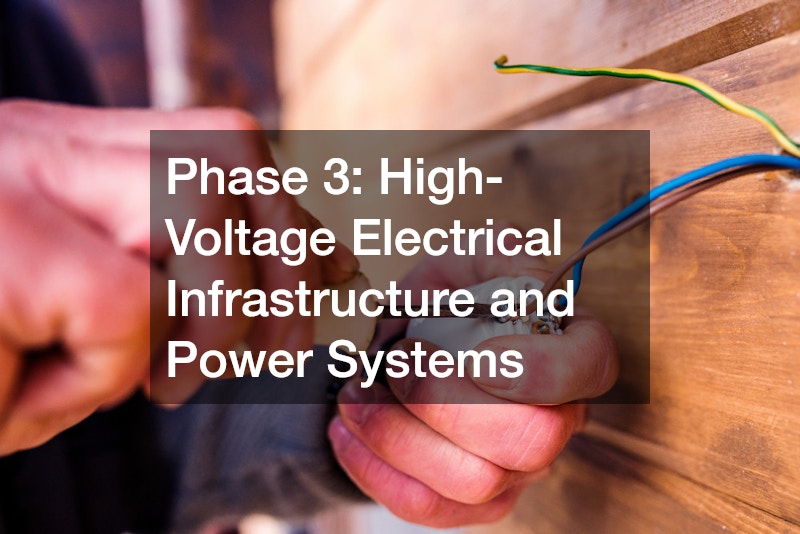
Electrical safety and capacity are non-negotiable elements of a professional property renovation. Distressed homes frequently contain outdated, dangerous, or illegal electrical systems, including knob-and-tube wiring, aluminum branch wiring, cloth-insulated lines, and hazardous fuse boxes. Upgrading the electrical infrastructure is crucial for protecting the home from fire hazards and powering today’s high-demand consumer electronics, kitchen appliances, and HVAC setups.
Upgrading Heavy-Duty Service Panels and Main Feeder Lines
When converting a residential property, adding square footage, or renovating multi-family residential units, standard residential electrical setups may fall short. Projects that involve heavy-duty equipment, sub-panels for detached workshops, or high-capacity electrical demands require the expertise of a commercial electrical contractor. These specialized trade teams handle heavy power drops, service panel upgrades, and high-amperage system installations safely and efficiently.
Commercial-grade electrical knowledge is especially crucial if your flipping strategy involves mixed-use buildings, multi-family units, or conversion projects. Having a master contractor who understands heavy power distribution prevents dangerous overloads and ensures that your electrical infrastructure can easily accommodate future property additions or specialized machinery.
Future-Proofing Wiring for Modern Smart Home Tech
Today’s home buyers expect high-tech convenience, including integrated smart lighting, keyless entry, automated climate control, dedicated home offices, and electric vehicle charging capacity. Hiring licensed commercial electricians ensures that your branch wiring, sub-panels, low-voltage cabling, and smart home hubs are installed safely and neatly according to current National Electrical Code standards.
Working with experienced electrical technicians allows you to plan layout logistics before drywall goes up. By mapping out electrical outlet placements, ceiling fan boxes, pendant lighting locations, and low-voltage Cat6 network wiring early, you avoid messy post-drywall cutting and expensive retrofits late in the project.
Phase 4: High-End Architectural Finishes and Interior Staging
Once the internal systems, plumbing, electrical, and structural framing pass intermediate inspections, the focus shifts to interior finishes. The visual quality of your finish work directly influences a buyer’s emotional response and perceived value of the home. Precision craftsmanship, premium materials, and elegant lighting control elevate a standard renovation into a luxury showcase property that commands premium offers.
Elevating Interior Craftsmanship for Premium Appraisals
Custom millwork and detailed trim elevate interior aesthetics faster and more cost-effectively than almost any other design feature. Installing crisp crown moulding and trim work gives rooms a polished, architecturally rich appearance that sets your listing apart from cheap cosmetic flips. High-end trim work defines architectural spaces, frames viewlines, and conveys an impression of meticulous construction quality throughout the entire house.
The secret to maximizing margin with finish carpentry lies in strategic placement. Focus high-end custom millwork in high-impact areas: the foyer, primary bedroom, formal dining space, and main open-concept living area. Buyers form their strongest impressions within the first 60 seconds of walking through the front door, making flawless entry trim and crown detailing a top-tier return on investment.
Implementing Modern Window Treatments and Light Control
Window coverings are frequently overlooked by novice flippers, left as an afterthought for the buyer to figure out later. However, bare windows can make a newly renovated property feel cold, echoey, and incomplete during open house walkthroughs. Installing modern motorized or manual roller shades provides immediate privacy, clean architectural lines, excellent light control, and an instant sense of move-in readiness.
Beyond aesthetics, high-quality window shades contribute to energy management by blocking solar heat gain during hot summer months. Choosing durable, easy-to-clean shade materials ensures that windows look flawless throughout the entire listing period, helping frame exterior yard views while insulating interior living spaces.
Phase 5: Complex Additions and Turnkey Execution

For high-ticket flips, historic restorations, or properties with massive lot potential, simple interior cosmetic updates may not fully unlock the parcel’s financial value. Expanding the square footage, adding a second story, or building a detached accessory dwelling unit (ADU) requires master-level construction management, heavy permitting oversight, and flawless logistical coordination from foundation to final staging.
Managing Large-Scale Additions and Luxury Custom Builds
When a project calls for a ground-up addition, complex structural redesign, or complete teardown and rebuild, partnering with a licensed custom home builder is critical. Experienced home builders bring turnkey project management capabilities, established trade networks, bulk material purchasing discounts, and comprehensive liability insurance to high-stakes renovation projects.
Working with a master builder allows real estate investors to scale up to larger, more lucrative development projects without getting bogged down in daily site operations. Their deep familiarity with local building officials, structural engineering standards, and heavy trade management protects your investment capital on complex, high-ticket real estate ventures.
Executing Seamless Staging and Property Transfer
After months of hard work, structural upgrades, finish installations, and thorough cleaning, the final step is presenting the home to the market in immaculate condition. Staging a home with modern furniture, artwork, and decor helps buyers visualize themselves living in the space, which leads to faster sales and higher offer prices. Hiring a professional mover who specializes in high-end staging furniture ensures that your newly painted walls, delicate light fixtures, and fresh hardwood floors remain protected during setup and teardown.
Scuffing newly painted baseboards or gouging a freshly refinished hardwood floor during staging setup can cause frustrating delays and unnecessary repair expenses right before your scheduled photography session. Working with careful, insured moving specialists guarantees that your property stays in pristine, show-ready condition from the photography shoot all the way through to final closing day.
Using This Guide to Flip Homes

Flipping houses for consistent, long-term profit requires far more than modern interior design talent—it demands disciplined project management and strategic trade partnerships. By surrounding yourself with trusted, licensed professionals who excel in site development, structural engineering, high-efficiency mechanicals, precision finish carpentry, and staging logistics, you transform risky property renovations into a predictable, repeatable business model.
Every contractor service covered in this guide plays a vital role in protecting your capital, expediting construction timelines, passing rigid municipal inspections, and delivering an exceptional finished home. As you build your real estate portfolio, cultivate these contractor relationships, treat your tradespeople with professional respect, pay promptly upon verified completion, and watch your flip margins grow project after project.